Scientific consulting · Groundwater and geochemistry

Geochemistry for groundwater decisions

I help environmental teams and fellow consultants interpret water chemistry, review reactive transport models, plan experiments around a specific project question, and build practical PHREEQC skills.

Services

Where I can help

Groundwater chemistry interpretation

Understand what could explain changing concentrations or unusual results in water samples.

Bring
Water chemistry results, sampling context, and the question you need to answer.
Receive
A technical memo identifying plausible processes, data gaps, and next steps.
Reactive transport model review

Check whether your model represents the reactions and flow processes that matter for your decision.

Bring
A model, draft setup, or proposed scenario, plus available data.
Receive
A prioritized review of assumptions, inputs, and sensitivity tests.

Batch and column experiment design

Plan an experiment to distinguish between competing explanations for retention or transport.

Bring
Your research question, available materials, and laboratory constraints.
Receive
A test plan covering controls, sampling, and how to interpret the results.

PHREEQC courses and tutorials

Learn to build, run, and interpret geochemical simulations through guided examples and hands-on exercises.

Topics
Aqueous speciation, mineral saturation, and water–rock reactions.
Format
Request a structured course or a focused tutorial tailored to your experience and project.

Ask about PHREEQC training →

Published research examples

How I approach these problems

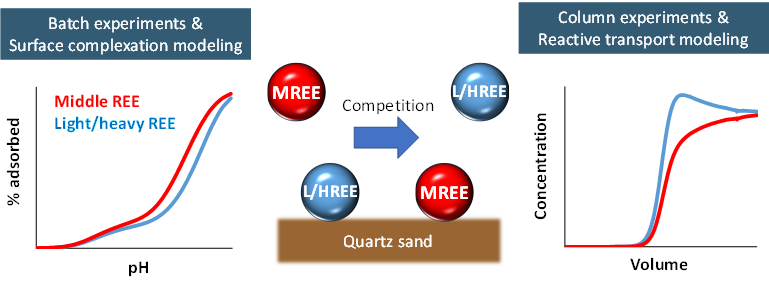
Figure from the quartz porous-media transport study

Predicting transport through quartz sand

I combined batch and column experiments with a surface complexation model to examine how rare earth elements compete for binding sites. The study illustrates how laboratory data can constrain a transport model.

Relevant when you need to decide which reactions your model should represent.

Read the Chemical Geology paper →
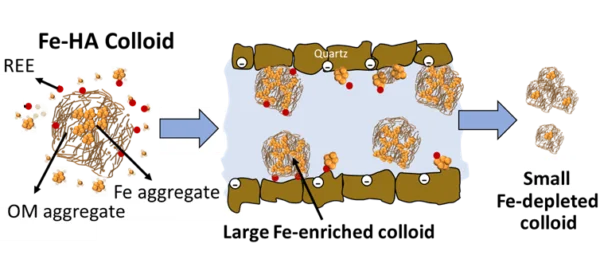
Graphical abstract of iron–organic colloids interacting with quartz

Tracing the role of iron–organic colloids

We studied rare earth element transport through saturated porous media in the presence of iron–organic matter colloids. The experiments examined how colloids affect the movement and retention of these elements.

Relevant when you need to assess whether mobile particles should be included in your transport analysis.

Read the Environmental Science & Technology paper →

Getting started

Bring one project question

  1. Tell me what you need to decide and what data you have.
  2. We’ll use the first call to discuss scope, timing, and whether I can help.
  3. If there’s a fit, I’ll outline the proposed work and deliverables before you commit.
Scroll to Top